AppForge Solution - Webfejlesztés, Appfejlesztés, MI Fejlesztés
Smart factory · Manufacturing Industry 4.0

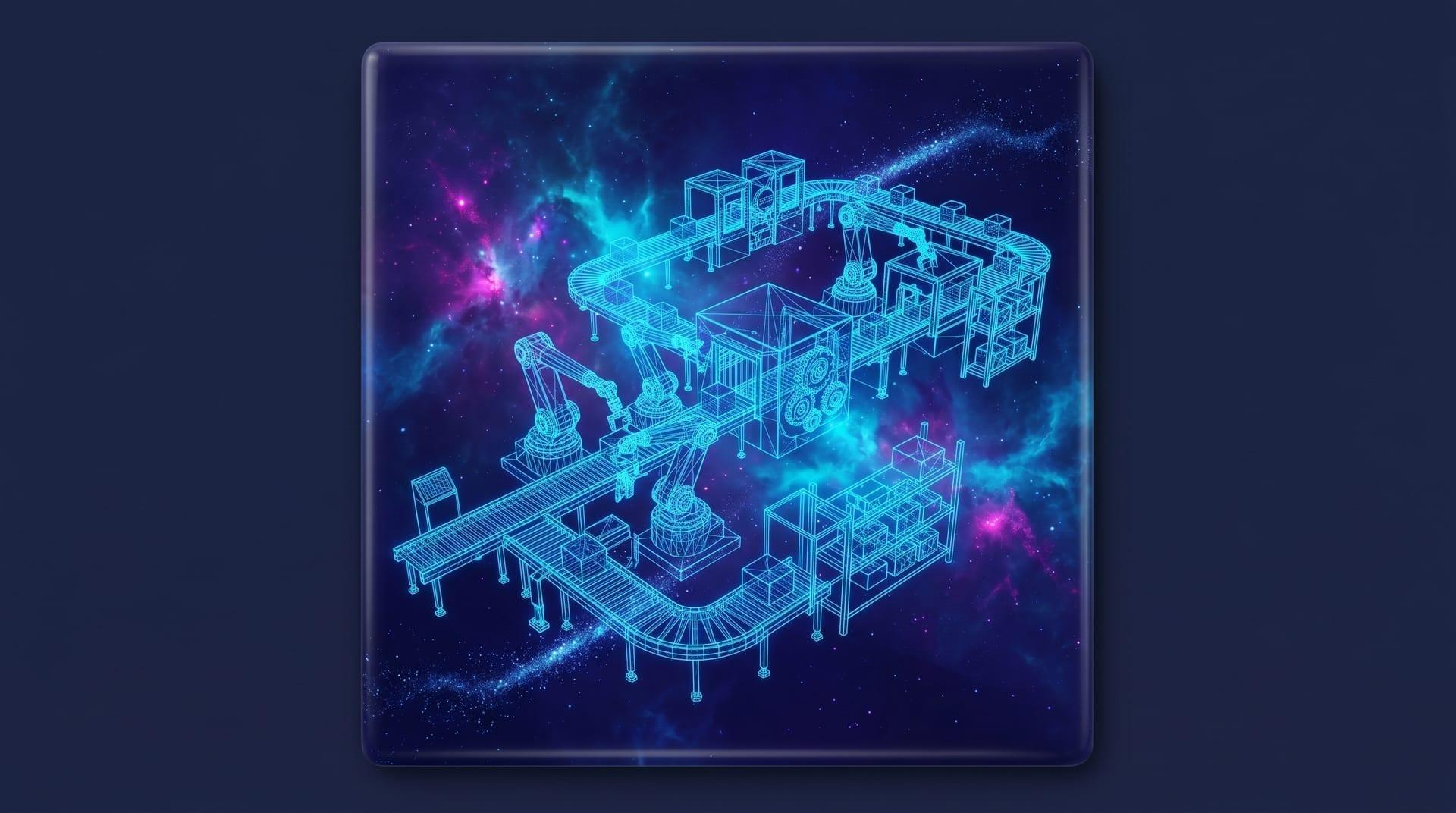
Industry 4.0, MES & SCADA Development

Industry 4.0 transformation for manufacturers: MES (production execution), SCADA (machine data acquisition and control), OEE monitoring, predictive maintenance, computer-vision quality control. Modbus, OPC UA, MQTT - works with any PLC. Smart factory pilot from HUF 8-15M (~€20k-€38k), enterprise programme 12-24 months.

Pilot HUF 8-15M (~€20k-€38k) OEE 15-30% increase Works with any PLC OPC UA + Modbus + MQTT

Trusted Partners

Proud to work with leading companies

6 pillars

Industry 4.0 - The 6 main pillars

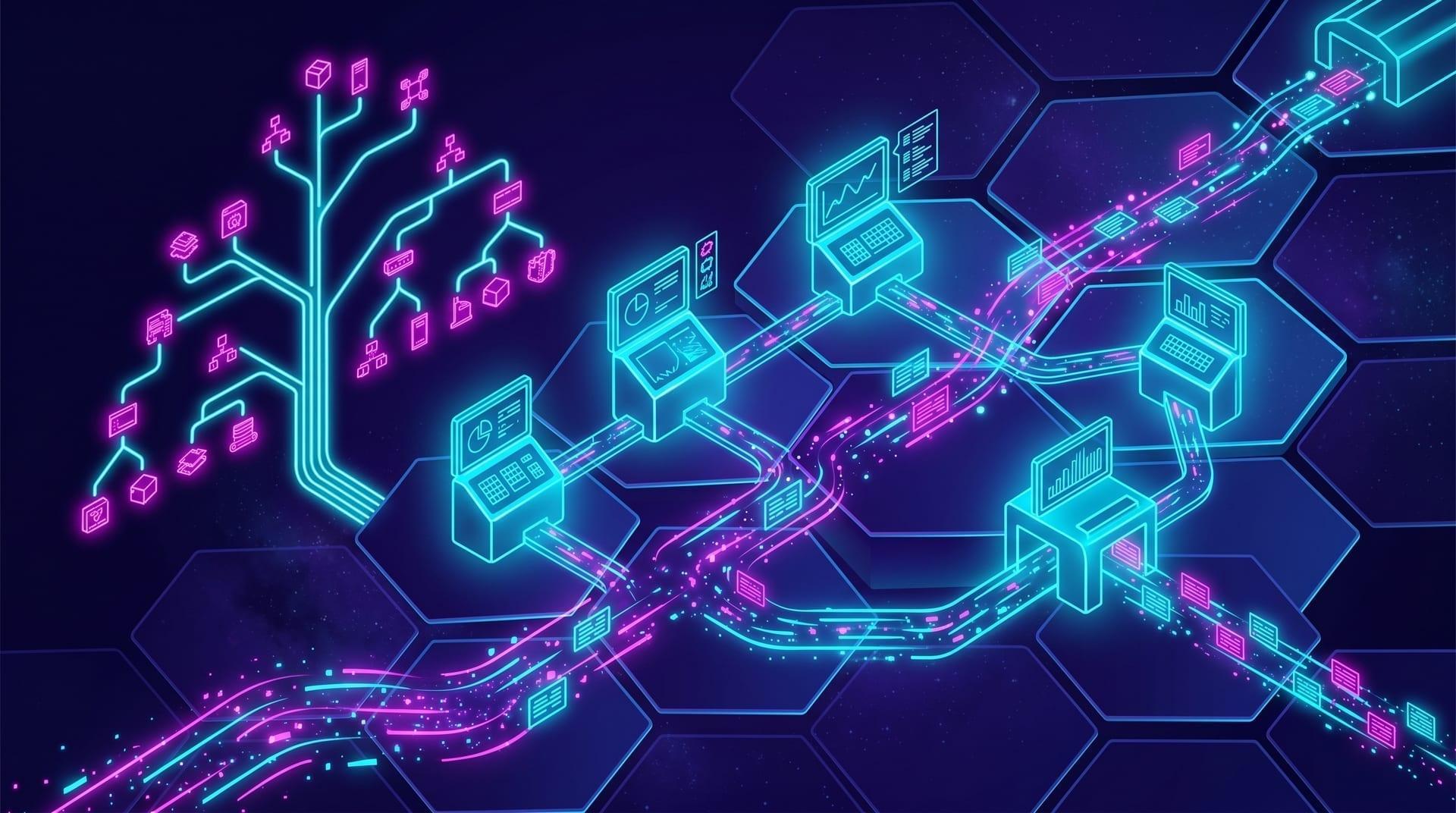
A modern smart factory rests on six technology layers. A pilot starts with 1-2 of them, but it pays off to build out all six over the years.

MES - Manufacturing Execution System

Production orders, BOM management, capacity planning, shop-floor terminals, barcode/RFID, test protocols, traceability (lot/serial number lookups).

SCADA - Machine data and control

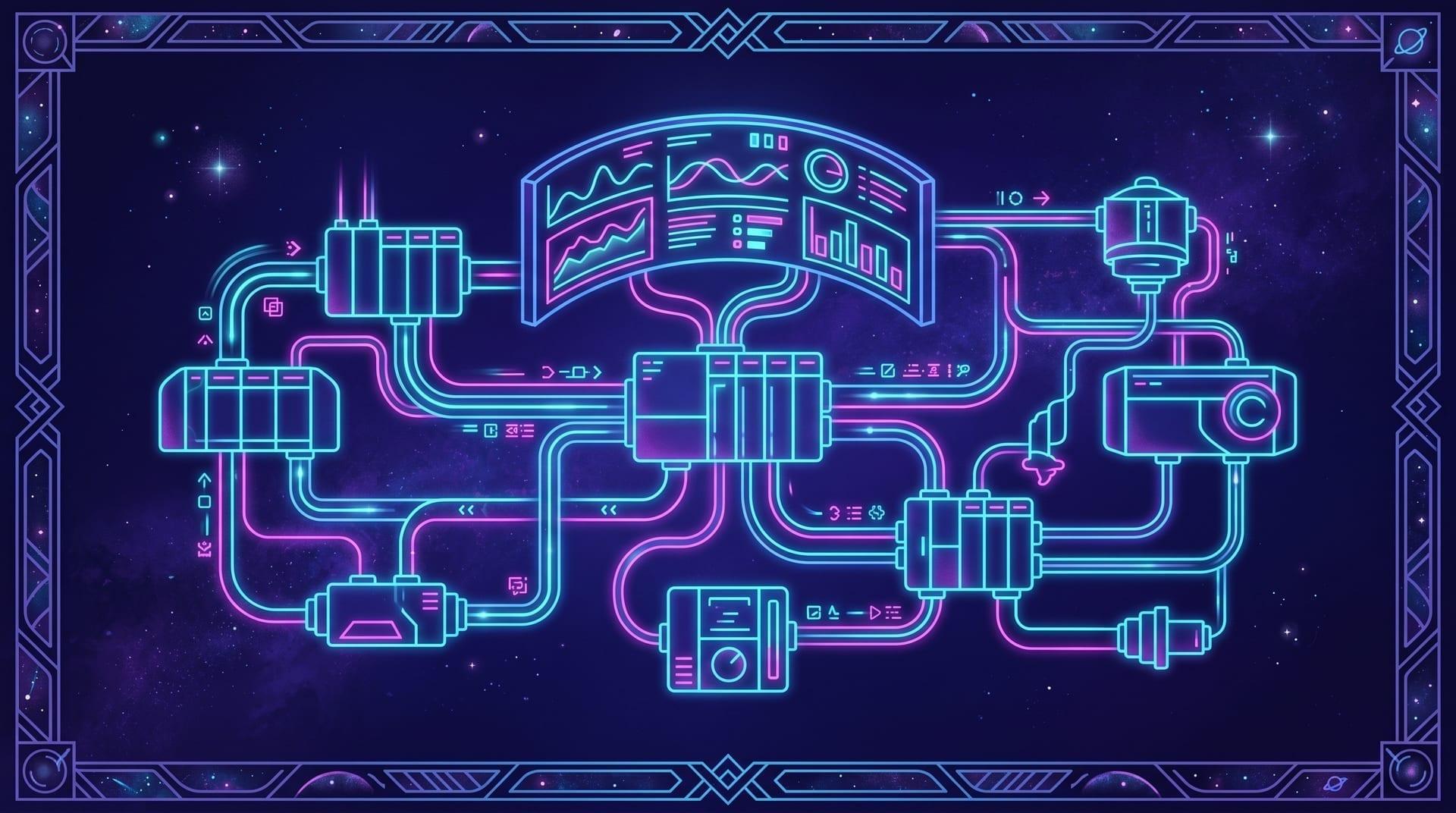
Supervisory Control and Data Acquisition: integration across PLCs, sensors, and I/O modules. Modbus TCP/RTU, OPC UA, MQTT, S7 (Siemens), Profinet - real-time visualisation of the production line.

OEE & KPI monitoring

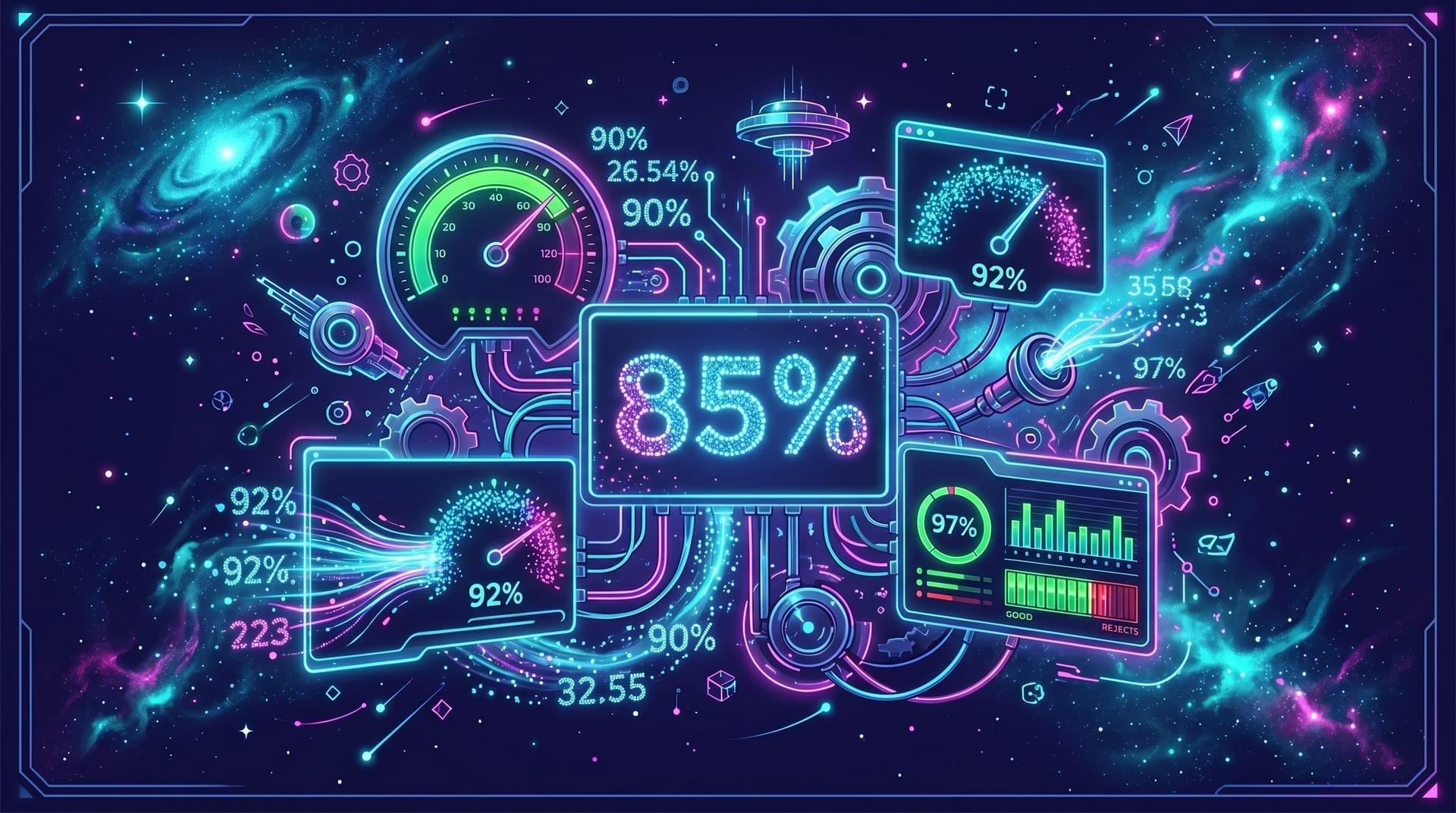
Overall Equipment Effectiveness: availability × performance × quality. Real-time dashboards on the shop floor and at executive level, anomaly detection, categorisation of stoppage reasons.

Predictive maintenance

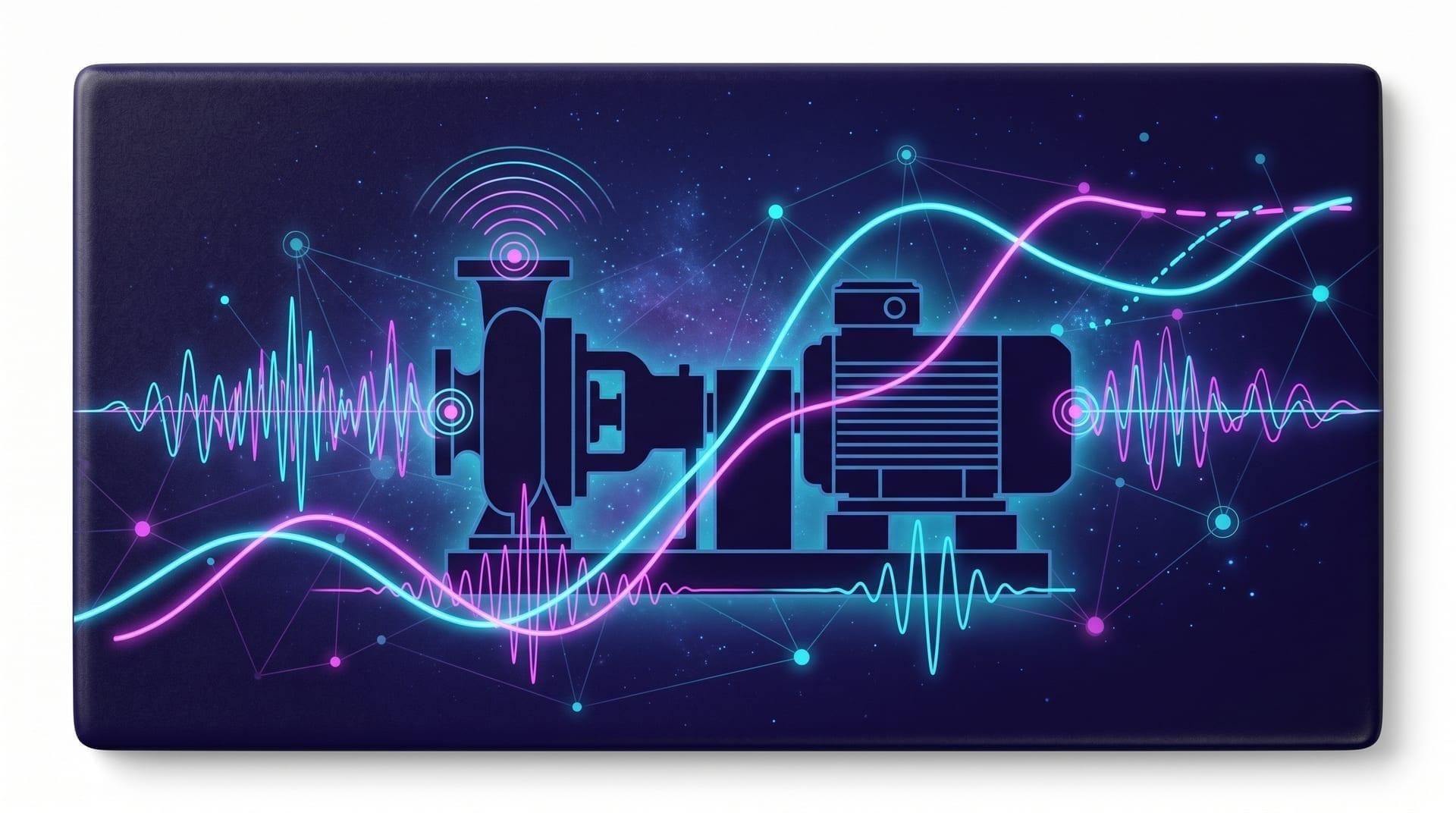
Machine learning-based failure prediction: sensor data (vibration, temperature, current) + historical maintenance records → know when the CNC machine will fail, before it does.

Digital twin & 3D visualisation

Digital twin of the production line: a real-time 3D model that mirrors physical processes. Simulation for new products, what-if analysis without disturbing the physical line.

Product traceability & supply chain

Every product's journey from production to end user: lot/serial number, suppliers, production parameters, quality checks. In a recall, you know within hours which units are affected.

How We Work

Our Process

Meticulous planning, seamless execution, and creative problem-solving -- that's how we achieve remarkable results.

01

Concept

No cookie-cutter solutions here. We map out your business goals, market landscape, and competition, then build a strategy designed to deliver measurable results.

02

Design

Wireframes, prototypes, and UI/UX designs built on real user insights. Every click, every layout is engineered to maximize conversions and engagement.

03

Development

Agile development with cutting-edge technologies, weekly demos, and full transparency. You'll always know exactly where your project stands.

04

Testing

Automated and manual testing across every platform and browser. Nothing goes live until it's been tested to the breaking point and passed with flying colors.

05

Launch & Support

Launch day is just the beginning. Monitoring, performance optimization, and ongoing support ensure your solution gets better every single day.

Integration layer

What do we integrate with on the production line?

Existing production-line communication protocols are often 20+ years old. With OPC UA gateways, even legacy PLCs join the data flow - frequently without replacement.

PLC communication

Siemens S7-1200/1500, Allen-Bradley ControlLogix, Schneider Modicon, Mitsubishi MELSEC - Modbus, OPC UA, Profinet, EtherNet/IP

IoT sensors & gateways

MQTT broker (Mosquitto, EMQX), AWS IoT Core, Azure IoT Hub, gateways (Moxa, Advantech), 4G/5G modules

ERP integration

SAP (PI/PO, S/4HANA), Microsoft Dynamics 365, Infor M3, custom ERP - production order sync, material allocation, stock movement

BI & Analytics

Power BI, Grafana, Apache Superset, custom React dashboards. Time-series databases (TimescaleDB, InfluxDB) for machine data storage

Computer vision quality control

YOLO and Vision Transformer models for defect detection. Surface defects, dimension measurement, OCR for labels. Industrial camera integration (Basler, Cognex)

AI predictive models

PyTorch / TensorFlow models for maintenance prediction, yield optimisation, energy management. ML pipeline (MLflow) for model management

Who it's for

Who do we build Industry 4.0 solutions for?

Manufacturing SMBs and large enterprises

Production capacity 50 to 50,000 units/day. Automotive, FMCG, pharma, chemical, metalworking, food, electronics.

Logistics and distribution centres

Distribution centres, 3PL/4PL providers, e-commerce warehouses - with combined WMS + SCADA integration

Energy and infrastructure

Utilities, renewable energy park operators, smart grid, smart building management

Automotive Tier 1/2 suppliers

OEM suppliers requiring IATF 16949 compliance. Traceability, end-to-end quality, EDI integration with customers

FAQ

Industry 4.0, MES, SCADA - Frequently Asked Questions

What is Industry 4.0 and what does it mean for a manufacturer?

Industry 4.0 is the 4th industrial revolution - smart manufacturing that brings digital technology (IoT sensors, AI, big data, robotics, digital twin) into physical production. Concrete results at a manufacturer: 15-30% OEE increase, 20-40% energy savings, 30-60% reduction in defects, 50%+ reduction in maintenance downtime. Industry 4.0 is not a product but a 5-10 year journey, best started with MES and SCADA.

How much does MES development cost for a manufacturer?

MES pilot for 1 production line: HUF 8-15M (~€20k-€38k), 4-6 months. Mid-complexity MES (3-5 lines, ERP integration, OEE dashboards, traceability): HUF 25-60M (~€64k-€154k), 6-12 months. Enterprise MES (multi-site, multi-line, AI predictive maintenance, computer vision QC): HUF 60-300M (~€154k-€770k), 12-24 months. Annual maintenance 15-25%. ROI is typically 12-24 months due to OEE gains and scrap reduction.

What is the difference between MES, SCADA, and ERP?

ERP (Enterprise Resource Planning): the top layer - finance, procurement, inventory, orders. Example: SAP S/4HANA. MES (Manufacturing Execution System): the middle layer - execution of production orders, shop-floor data, traceability. Connects ERP to SCADA. SCADA (Supervisory Control and Data Acquisition): the bottom layer - real-time supervision and control of machines, sensors, PLCs. A modern Industry 4.0 stack contains all three, integrated.

Can you integrate with our existing SAP / Dynamics / Infor ERP?

Yes. SAP S/4HANA, SAP ECC (PI/PO middleware), Microsoft Dynamics 365, Infor M3, Oracle JD Edwards, IFS Applications, and custom ERPs are integrated daily. Typical integration: production order ERP→MES (planned quantity, BOM), production confirmation MES→ERP (produced quantity, material consumption, time accounting), bidirectional stock movement sync. A typical integration project takes 2-4 months and costs HUF 5-15M (~€12,800-€38,500).

Which PLCs and machines can you work with?

All commonly deployed industrial ones: Siemens S7-300/400/1200/1500 (Profinet, S7 protocol), Allen-Bradley/Rockwell (EtherNet/IP), Schneider Modicon (Modbus TCP/RTU), Mitsubishi MELSEC, Beckhoff TwinCAT, Omron. CNC: FANUC FOCAS, Heidenhain, Siemens 840D. OPC UA acts as a universal bridge where the legacy PLC does not support direct connectivity. Robotics: ABB, KUKA, FANUC, Universal Robots - ROS / OPC UA / TCP-IP integration.

Can you start a smart factory pilot for a single production line?

Yes - that is our recommended starting point. Smart factory pilot for 1 line: 4-6 months, HUF 8-15M (~€20k-€38k), with measurable results. Typical pilot scope: 1) machine data acquisition via sensors or existing PLCs, 2) real-time OEE dashboard, 3) anomaly detection on 1-2 KPIs, 4) after a successful rollout, scaling to additional lines.

How do you keep production running during implementation?

We never stop production. Our implementation methodology: 1) parallel system (the new MES runs alongside the old system for 2-4 weeks), 2) shadow mode (the new MES collects data but makes no decisions, 1-2 weeks), 3) phased switchover (one line, one shift at a time), 4) full deployment only when all metrics are stable. Data backup and rollback procedures at every step.

Do you have experience with manufacturing customers?

Yes - automotive Tier 1/2 suppliers, FMCG (food, packaging), precision machining, pharmaceutical suppliers. Familiar with IATF 16949 (automotive), GMP (pharma), HACCP (food) compliance. The main challenge in the Hungarian and Central European manufacturing market is modernising the legacy PLC fleet (10-20-year-old Siemens, AB) - we typically solve that with OPC UA gateways and industrial protocols, often without replacing the existing PLC.
AI capabilities

How AI fits into this solution

What AI can do, how to integrate it, what to comply with - and how to keep your data on-prem.

What AI can do here

  • Predictive maintenance

    From machine telemetry (vibration, temperature, current draw) AI predicts failures - unplanned downtime -30-60%.

  • Computer vision QC

    In-line camera inspection: defects, dimensional drift, missing components detected in real time.

  • OEE anomaly detection

    Automatic OEE analysis, root-cause identification, corrective recommendations.

  • Energy optimisation

    AI-driven scheduling and machine load balancing to avoid energy peaks.

How we integrate it

  • OPC UA + AI

    PLC / SCADA data streamed in real time over Kafka / OPC UA into an edge AI layer - millisecond decisions.

  • Digital twin

    Digital twin of the line augmented with an LLM: "What if we ran machine X 10% faster?" - simulated impact.

  • On-prem execution

    Production data never leaves the site - all models run on the plant's own servers / GPUs.

Compliance

  • GDPR

    Personal data is processed only on a documented legal basis. Data minimisation, purpose limitation, and audit trail enforced by design.

  • EU AI Act

    Risk-based classification of every AI use case (minimal / limited / high risk). Mandatory transparency, human oversight, and CE-style conformity for high-risk systems.

  • NIS2

    In essential and important sectors AI must follow security-by-design: access control, logging, incident reporting, supply-chain risk for any model provider.

  • ISO 27001 / SOC 2

    When required: ISO 27001 / SOC 2-aligned controls, including key management, RBAC, audit, vulnerability management.

Local / on-prem deployment

  • Ollama / llama.cpp

    Open-weight models (Llama 3.x, Mistral, Qwen, Gemma) running on your own GPU server or even CPU. Zero data sent to third parties.

  • vLLM / TGI

    Production-grade inference servers for self-hosted endpoints. Concurrent users, streaming, function calling supported.

  • Sovereign cloud

    For organisations without on-prem GPU: deployment on EU / Hungarian sovereign cloud (e.g. dedicated tenant), with data residency contracts.

  • Hybrid

    Sensitive content always local; for non-sensitive batch tasks frontier models (Claude, GPT) via DPA-backed API where allowed.

Data security model

  • No training on your data

    Whether self-hosted or vendor API, we contractually exclude your data from any training set.

  • PII redaction before prompt

    Automatic PII detection and masking before any prompt leaves your perimeter - pseudonymisation as a hard rule.

  • Per-role access

    Every AI surface uses your existing IAM (Entra ID / Keycloak / Okta) - the AI only sees what the user is allowed to see.

  • Full audit

    Every prompt, response, and tool call logged with user, time, and source - replayable on demand.

How it connects

Industry 4.0 does not stop on the shop floor - production data is only valuable when it flows to the rest of the company.

MES output syncs with a custom ERP for stock and finance modules. Goods-in and picking are automated on the WMS warehouse system side - barcode + AI instead of manual entry.

Shop-floor logs, OPC UA telemetry, and PLC audit trails matter under NIS2 compliance for in-scope industries - on-prem AI is the answer. The IT/OT integration plane is delivered as a system integration project.

Contact

Get in Touch

Tell us about your project and we'll respond within 24 hours!

Additional details (optional)

Thank you! We'll get back to you soon.

We usually respond within 24 hours.

CEO

Boncz Balint

Office

Budapest, Hungary

Let's Talk Live!

Book a free 30-minute consultation where we discuss the details of your project.

Book a Call