AppForge Solution - Webfejlesztés, Appfejlesztés, MI Fejlesztés
Logistics software · Enterprise WMS

WMS Warehouse Management System Development

Custom WMS development for logistics companies, e-commerce fulfilment centres, 3PL/4PL providers, and manufacturing warehouses. Mobile terminals, barcode, RFID, ERP / e-commerce / carrier integration, multi-tenant flexibility, automation (AGV, AMR, AS/RS). WMS HUF 15-80M (~€38k-€205k), ROI 9-18 months.

WMS HUF 15-80M (~€38k-€205k) 5-12 months delivery Multi-tenant 3PL support Mobile-first picking

Trusted Partners

Proud to work with leading companies

WMS modules

8 main modules we build

A modern WMS is modular. You decide which ones you need - companies typically start with 4-5 and expand to all 8 over time.

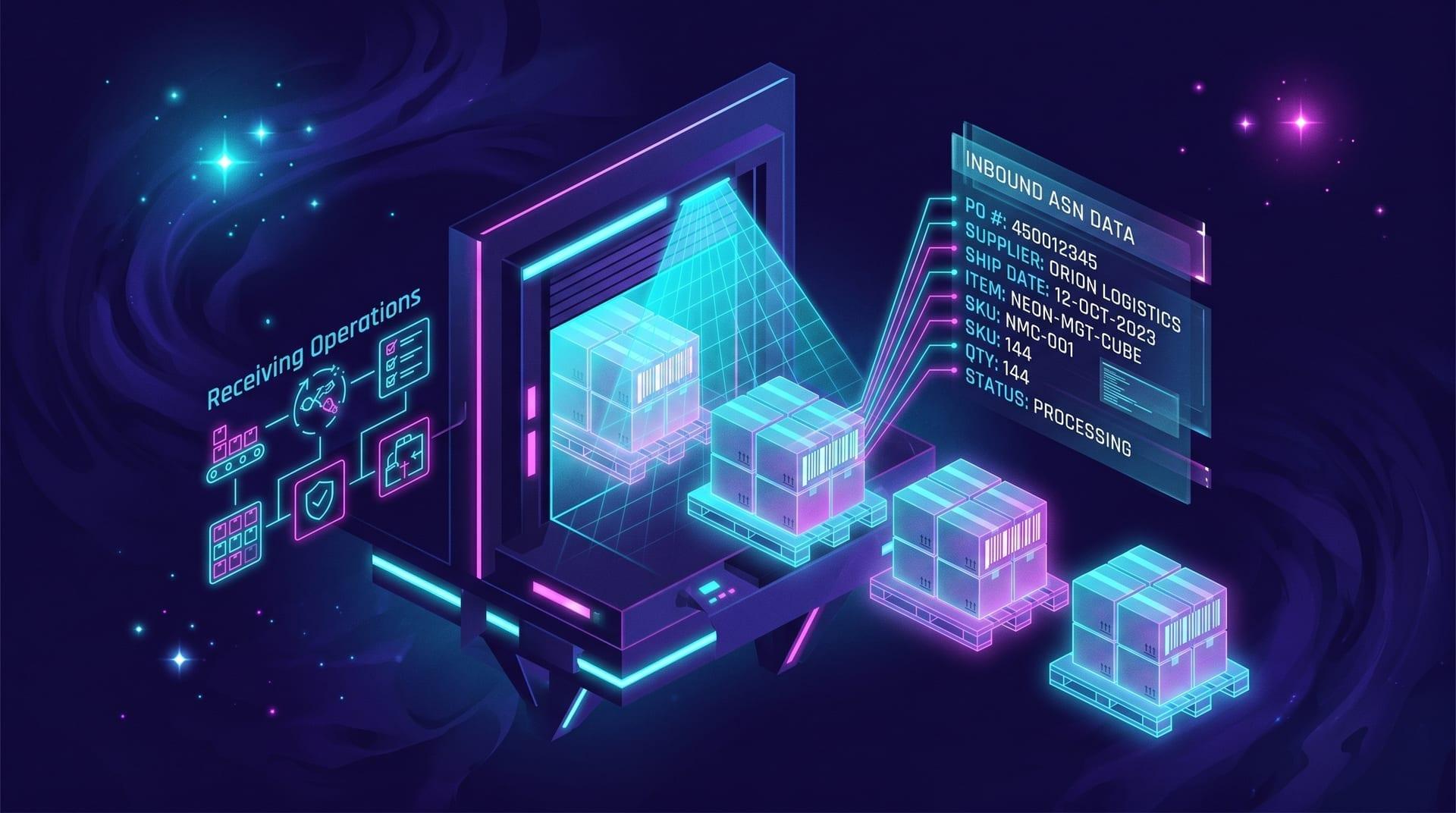
Receiving

PO-based or ASN receiving, scan-on-arrival, quantity and quality checks, on-the-spot damage photos, supplier performance metrics

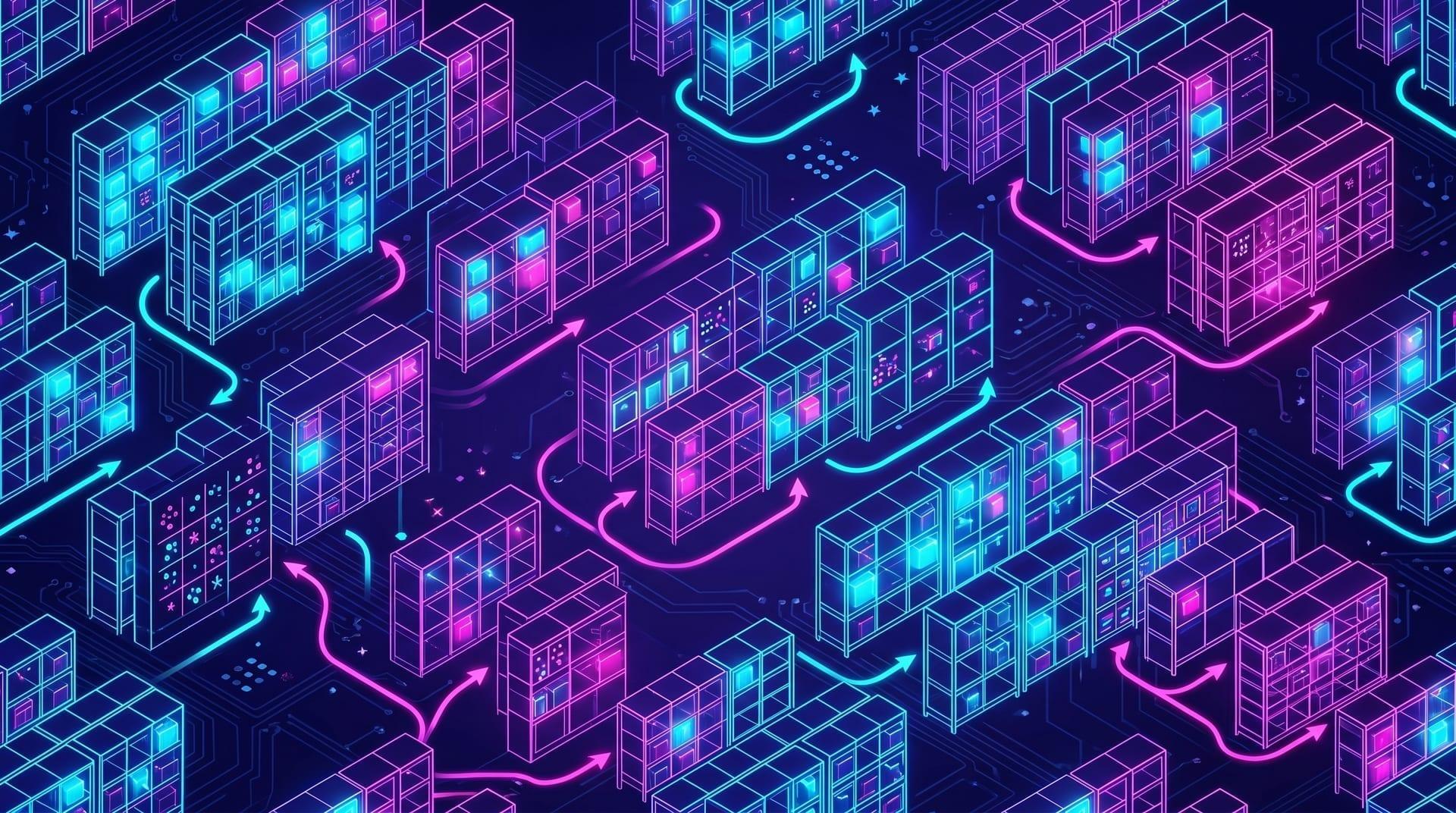
Bin management

Multi-zone warehouse, dynamic bin allocation, ABC analysis, slot optimisation, FIFO/LIFO/FEFO logic

Pick & pack

Pick-by-light, pick-by-voice, pick-by-vision, batch picking, wave picking, multi-order picking - automation cuts pick time by 30-70%

Shipping

Packing instructions, packing list, bill of lading, carrier integration (DPD, DHL, GLS, Foxpost, MPL, Sameday, FedEx, UPS)

Inventory management

Real-time stock levels, serial numbers, expiry, lot tracking, stocktake (cycle count, full count), inventory adjustment audit-trail

3PL / multi-tenant logic

For 3PL/4PL providers: customer-segregated inventory, dedicated warehouse space per customer, customer-level pricing, customer portal for transactions

Cross-docking & X-ship

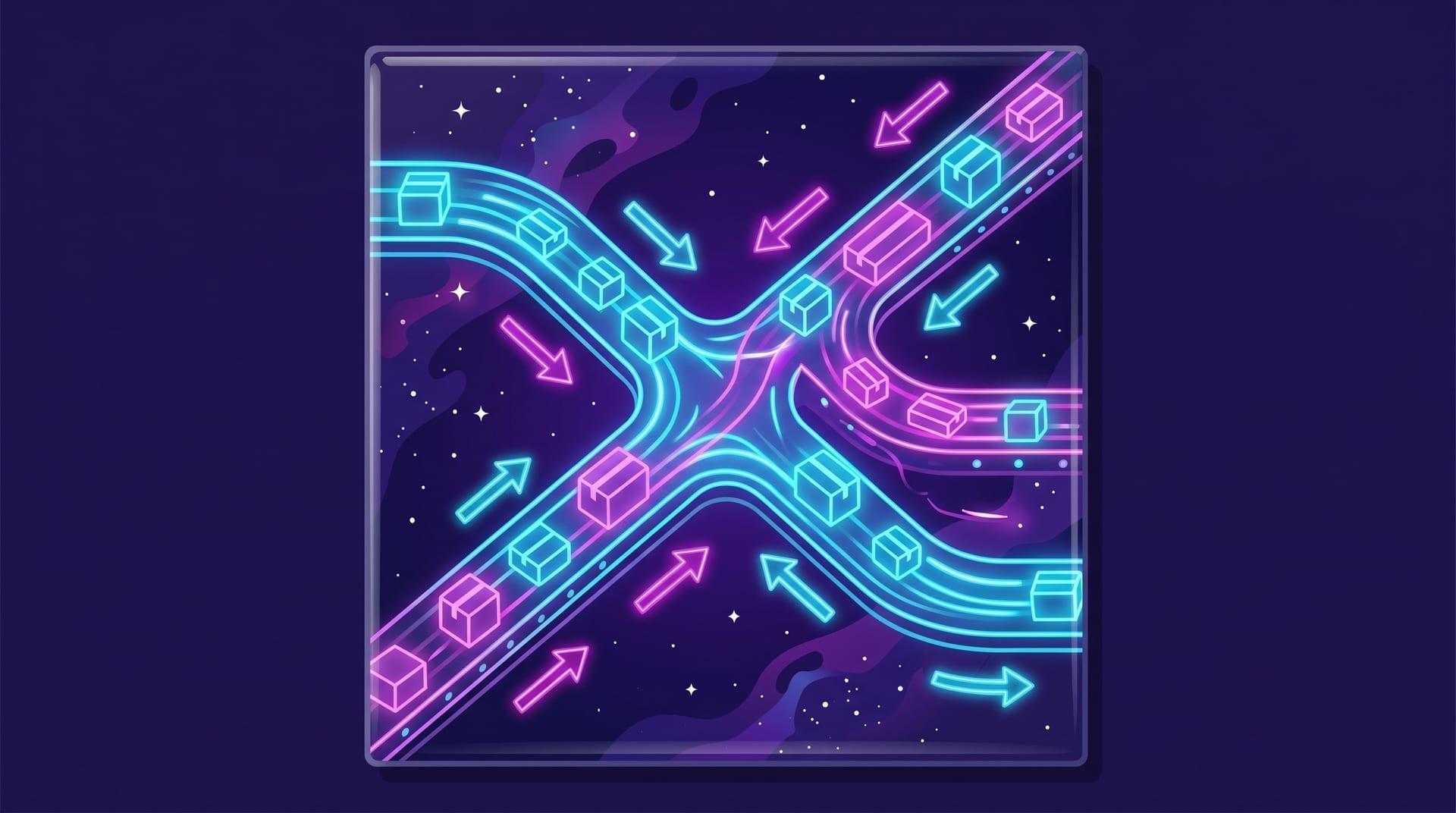
Direct receiving → shipping flow, skipping storage. Industrial traffic-flow optimisation, fast turnaround

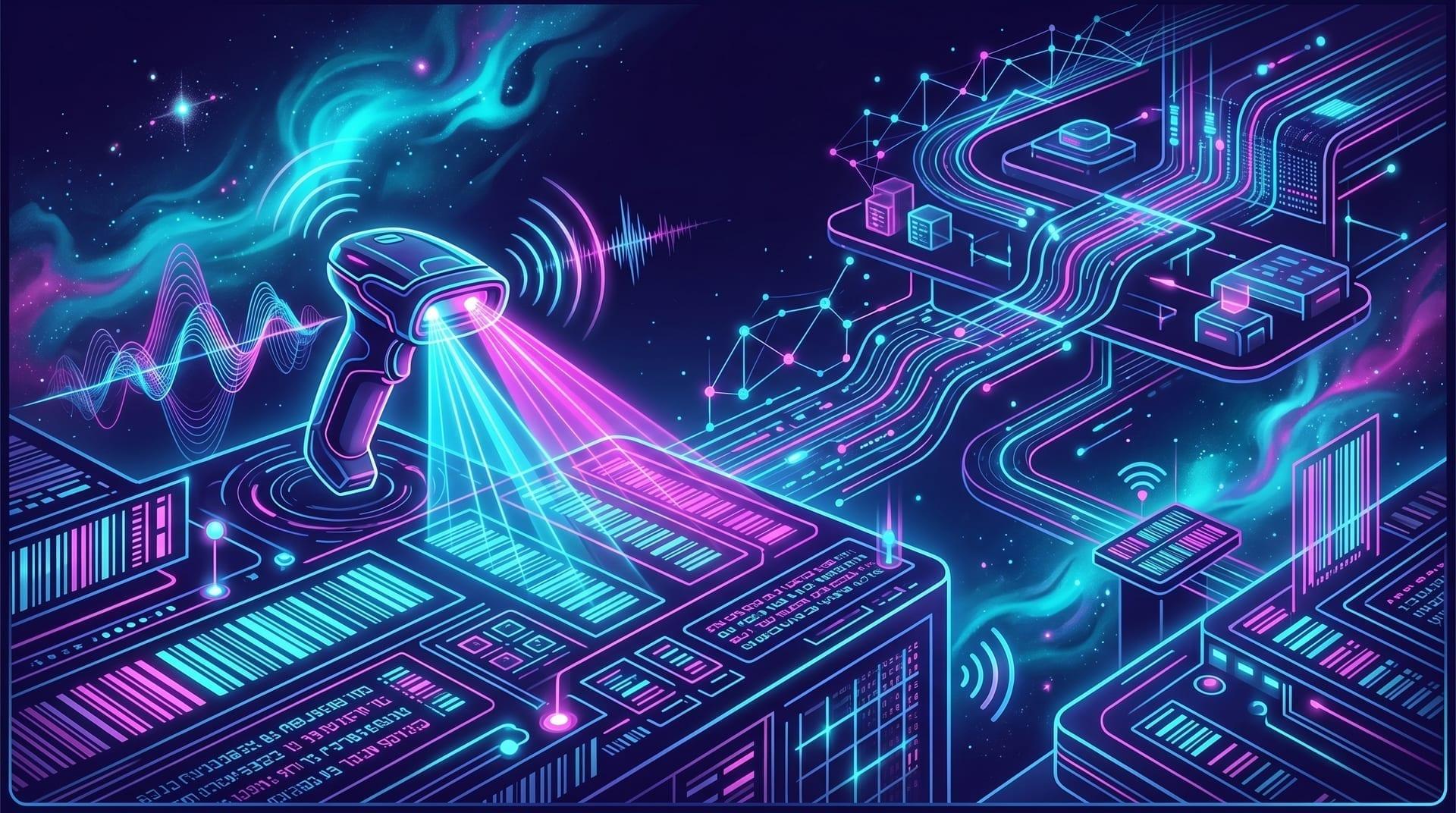
Barcode, RFID, IoT

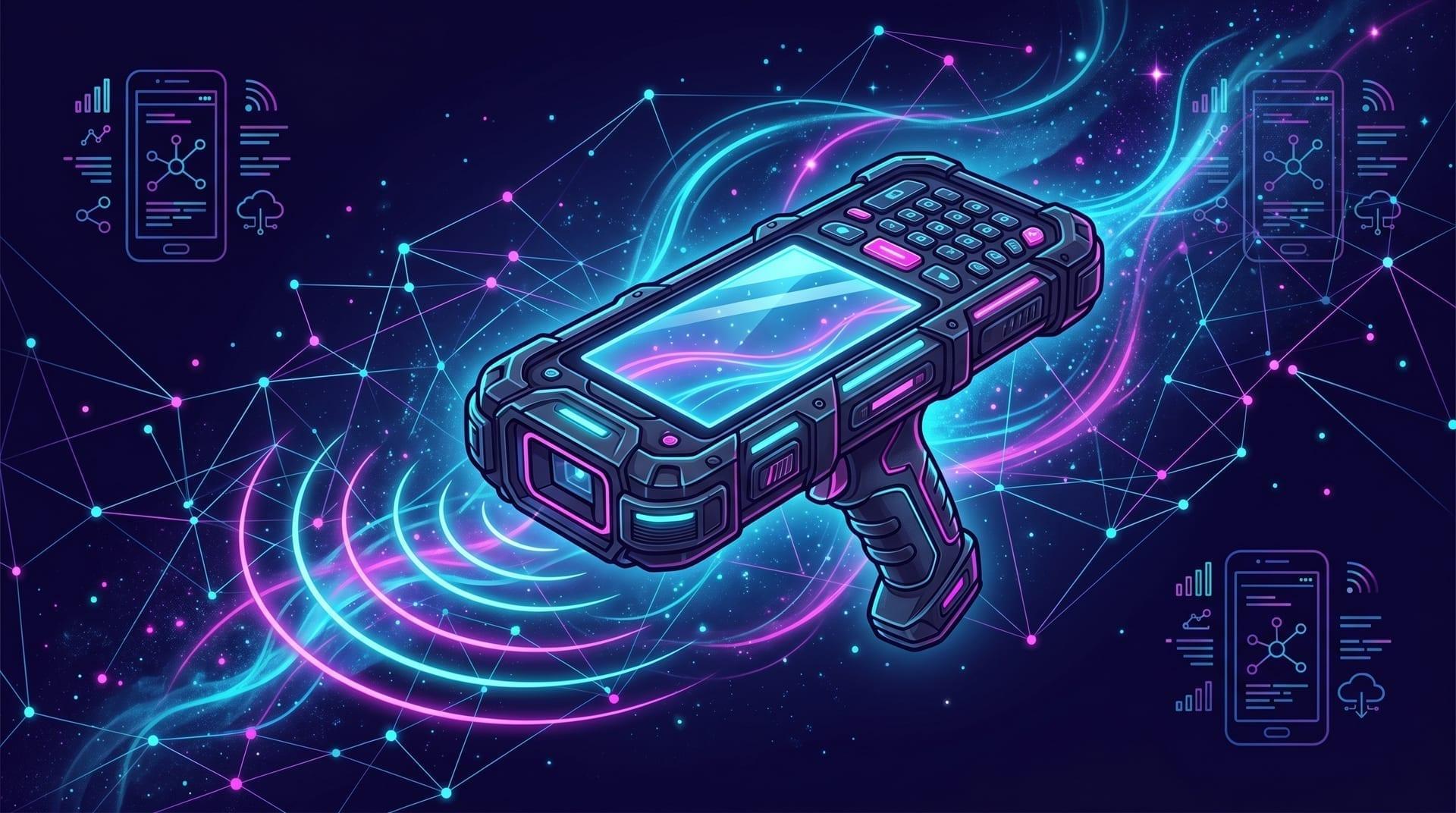
Honeywell / Zebra / Datalogic mobile terminals, RFID gateways, scale integration, material measurement points

How We Work

Our Process

Meticulous planning, seamless execution, and creative problem-solving -- that's how we achieve remarkable results.

01

Concept

No cookie-cutter solutions here. We map out your business goals, market landscape, and competition, then build a strategy designed to deliver measurable results.

02

Design

Wireframes, prototypes, and UI/UX designs built on real user insights. Every click, every layout is engineered to maximize conversions and engagement.

03

Development

Agile development with cutting-edge technologies, weekly demos, and full transparency. You'll always know exactly where your project stands.

04

Testing

Automated and manual testing across every platform and browser. Nothing goes live until it's been tested to the breaking point and passed with flying colors.

05

Launch & Support

Launch day is just the beginning. Monitoring, performance optimization, and ongoing support ensure your solution gets better every single day.

Verticals

Industry-specific WMS solutions

E-commerce fulfilment centre

B2C-heavy, high SKU count, fast picking, seasonal peaks, multi-channel inventory (Shopify, WooCommerce, Amazon, eMAG, Allegro)

3PL / 4PL logistics providers

Multi-tenant warehouse, customer-segregated inventory, customer-level pricing and invoicing, customer portal

Distribution centre (FMCG, retail)

High-volume B2B, fixed daily routes, expiry management (food, pharma), HACCP/GMP compliance

Manufacturing warehouse

Raw materials, semi-finished, finished goods - MES integration, BOM sync, kanban cards

Cold storage / temperature-controlled

Temperature monitoring, alerts, FEFO logic, pharma warehouse (GDP), food (HACCP)

Integration

What do we integrate with in the logistics stack?

ERP systems

SAP S/4HANA, SAP ECC, MS Dynamics 365, Infor M3, Oracle, custom ERP - material movement, stock sync, orders

E-commerce platforms

Shopify, WooCommerce, Magento, BigCommerce, ShopRenter, UNAS, Amazon, eMAG, Allegro - order sync, stock writeback

Carriers

DPD, DHL, GLS, Foxpost, MPL, Sameday, FedEx, UPS, TNT API integration - label printing, tracking sync

Invoicing & accounting

Számlázz.hu, Billingo, KulcsSoft, RLB60 integration - automatic shipping invoicing for 3PL providers; Stripe Invoicing, Xero, QuickBooks for EU markets

TMS systems

Transport Management System integration, route optimisation, dock-slot booking, RMA (return) flow

Mobile terminals

Zebra TC52/TC72, Honeywell CT45, Datalogic Memor 11 - Android-based scanners + RFID readers, offline work mode

FAQ

WMS warehouse management system - Frequently Asked Questions

How much does custom WMS development cost?

A mid-sized WMS (5-15 users, 1 warehouse, 10-20k SKUs, ERP integration): HUF 15-30M (~€38k-€77k), 5-7 months. Mid-large WMS (3PL multi-tenant, 5-10 warehouses, 50k+ SKUs, carrier integrations, mobile terminals, RFID): HUF 30-80M (~€77k-€205k), 8-12 months. Enterprise WMS (multi-country, automated warehouse, AS/RS, AGV/AMR robots, AI optimisation): HUF 80-300M (~€205k-€770k), 12-24 months. ROI is typically 9-18 months from picking-time reduction and inventory accuracy gains.

How long does a WMS implementation take?

MVP (1 warehouse, basic functions - receiving, picking, shipping): 3-5 months. Mid-sized WMS with full functionality: 5-7 months. Multi-tenant 3PL WMS: 8-12 months. Enterprise multi-site automated warehouse: 12-24 months. Go-live is always phased - one warehouse area, one shift, one customer (in 3PL) - never big bang. We run 2-4 weeks in parallel with the old system before switchover.

What is the difference between a custom WMS and SAP EWM / Oracle / Manhattan WMS?

Off-the-shelf WMS products (SAP EWM, Oracle WMS, Manhattan, Körber, Reflex) are international standards. Strength: ready-made functionality, many modules. Weakness: monthly licence EUR 3,000-15,000/month, expensive implementation (HUF 50-200M / ~€128k-€513k), limited customisation, vendor lock-in. Custom WMS: tailored to your processes, no monthly licence, source code is yours. For warehouses under 100 staff, custom is typically cheaper on 5-year TCO. For 500+ multi-site enterprise the off-the-shelf system is often justified - or hybrid: off-the-shelf backbone + custom modules.

Can you integrate with Hungarian and EU carriers? (Foxpost, MPL, GLS, DPD)

Yes - daily work. Foxpost (parcel lockers), MPL (Hungarian Post), GLS, DPD, Sameday - official API integration: label printing, tracking sync, COD (cash on delivery) handling, return flow. Multi-carrier rules engine: based on order parameters (weight, size, destination, cost) the WMS picks the carrier automatically. For EU markets we also integrate DHL, UPS, FedEx, PostNL, InPost, DPD UK, etc. Typical integration is 1-3 weeks per carrier.

Can you build a barcode-based or RFID-based warehouse?

Both. Barcode: most common, low entry cost. EAN-13, Code-128, QR, DataMatrix - Zebra/Honeywell/Datalogic mobile terminals. RFID: high-volume warehouses (millions of SKUs/month), automatic bulk stocktakes, faster picking. UHF RFID gateways at gates, handheld readers for warehouse staff. Hybrid is also common: RFID on high-value/fast-moving items, barcode on the rest.

What does multi-tenant WMS mean for 3PL/4PL providers?

A 3PL/4PL provider handles inventory for several customers in the same warehouse. Multi-tenant WMS = each customer sees only their own inventory, their own transactions, their own reports. Customer portal: 24/7 access to inventory, orders, invoices. Customer-level pricing (storage fee, pick fee, SLA bonus/malus). Compliance: GDPR data segregation, ISO 27001 audit. Multi-tenant WMS adds typically +25-40% over a single-tenant custom WMS but is 5-10x more valuable in a 3PL business model.

Can you integrate with AGV / AMR robots and automated warehouses (AS/RS)?

Yes. AGV (Automated Guided Vehicle) / AMR (Autonomous Mobile Robot): MiR, Geek+, Locus Robotics, Fetch Robotics - REST/MQTT API integration, route planning, human-robot collaboration. AS/RS (Automated Storage and Retrieval System): SSI Schäfer, Dematic, Vanderlande - IEC 61131 / OPC UA protocols. Computer vision: parcel sorting, localisation, defect detection. Automation typically runs HUF 50-200M (~€128k-€513k) hardware + HUF 30-80M (~€77k-€205k) software, 12-24 months project.

Where does the WMS run - cloud or in the warehouse?

Typically hybrid. Central system (business logic, reports, customer portal) in the cloud (AWS Frankfurt, Cloudflare, Hetzner Helsinki). Edge layer in the warehouse - mobile terminal offline capability, local DB replication so picking continues even on internet outage (the daily crisis scenario). The two layers sync automatically. For high-availability warehouses (24/7 e-commerce) this separation is critical.
AI capabilities

How AI fits into this solution

What AI can do, how to integrate it, what to comply with - and how to keep your data on-prem.

What AI can do here

  • Picking route optimisation

    AI model dynamically optimises put-away and picking routes - throughput time -20-40%.

  • Image-based quality control

    Computer vision detects damaged packaging, mis-labelling, wrong SKU at goods-in.

  • Slotting algorithm

    Bin assignment based on product velocity, size, and parallel-pick patterns - continuous re-optimisation.

  • Demand forecasting

    Stock level planning factoring seasons, promotions, and new SKUs - replaces manual planning.

How we integrate it

  • Barcode + AI

    Alongside traditional barcodes, AI-based parcel recognition - damaged labels still readable, fewer manual entries.

  • Voice picking

    Voice picking (Whisper STT + TTS) in local language - workers stay hands-free, the WMS speaks.

  • Edge AI devices

    Bin cameras / handheld terminals run models at the edge - works even if the internet is down.

Compliance

  • GDPR

    Personal data is processed only on a documented legal basis. Data minimisation, purpose limitation, and audit trail enforced by design.

  • EU AI Act

    Risk-based classification of every AI use case (minimal / limited / high risk). Mandatory transparency, human oversight, and CE-style conformity for high-risk systems.

  • NIS2

    In essential and important sectors AI must follow security-by-design: access control, logging, incident reporting, supply-chain risk for any model provider.

  • ISO 27001 / SOC 2

    When required: ISO 27001 / SOC 2-aligned controls, including key management, RBAC, audit, vulnerability management.

Local / on-prem deployment

  • Ollama / llama.cpp

    Open-weight models (Llama 3.x, Mistral, Qwen, Gemma) running on your own GPU server or even CPU. Zero data sent to third parties.

  • vLLM / TGI

    Production-grade inference servers for self-hosted endpoints. Concurrent users, streaming, function calling supported.

  • Sovereign cloud

    For organisations without on-prem GPU: deployment on EU / Hungarian sovereign cloud (e.g. dedicated tenant), with data residency contracts.

  • Hybrid

    Sensitive content always local; for non-sensitive batch tasks frontier models (Claude, GPT) via DPA-backed API where allowed.

Data security model

  • No training on your data

    Whether self-hosted or vendor API, we contractually exclude your data from any training set.

  • PII redaction before prompt

    Automatic PII detection and masking before any prompt leaves your perimeter - pseudonymisation as a hard rule.

  • Per-role access

    Every AI surface uses your existing IAM (Entra ID / Keycloak / Okta) - the AI only sees what the user is allowed to see.

  • Full audit

    Every prompt, response, and tool call logged with user, time, and source - replayable on demand.

How it connects

A WMS only delivers ROI when the ERP, MES, and integration layer are built in concert.

Picking, put-away, and receipt data sync with a custom ERP core - single source of truth instead of duplicate entry. For manufacturers, a MES / SCADA system is wired in so produced output instantly updates stock state.

Couriers, banking APIs, and shop traffic are connected through a system integration layer, while document processing and slotting are powered by Python + LangChain process automation.

Contact

Get in Touch

Tell us about your project and we'll respond within 24 hours!

Additional details (optional)

Thank you! We'll get back to you soon.

We usually respond within 24 hours.

CEO

Boncz Balint

Office

Budapest, Hungary

Let's Talk Live!

Book a free 30-minute consultation where we discuss the details of your project.

Book a Call