AppForge Solution - Webfejlesztés, Appfejlesztés, MI Fejlesztés
iOS · Android · Cross-platform

Mobile App Development with a Hungarian team

Custom mobile app development for iOS, Android, or both via cross-platform (React Native, Flutter). From startup MVP to enterprise systems. Hungarian dev team, transparent EUR/HUF pricing, App Store and Google Play launch handled in one engagement.

MVP from €7,000 iOS + Android, one codebase 3 months warranty You own the code

Trusted Partners

Proud to work with leading companies

What we build

Mobile app development - every platform

From native performance to fast cross-platform delivery. We pick what fits your business goals best.

iOS app development

Native iOS apps with Swift / SwiftUI. App Store-ready builds, TestFlight beta, push notifications, In-App Purchase, Apple Sign In, ARKit when needed.

Android app development

Native Android apps with Kotlin / Jetpack Compose. Google Play Console setup, Material You design, Firebase, biometric auth, foreground services.

Cross-platform (React Native, Flutter)

One codebase - iOS and Android in parallel. 30–50% faster delivery with native-grade performance. We pick React Native or Flutter together based on the project.

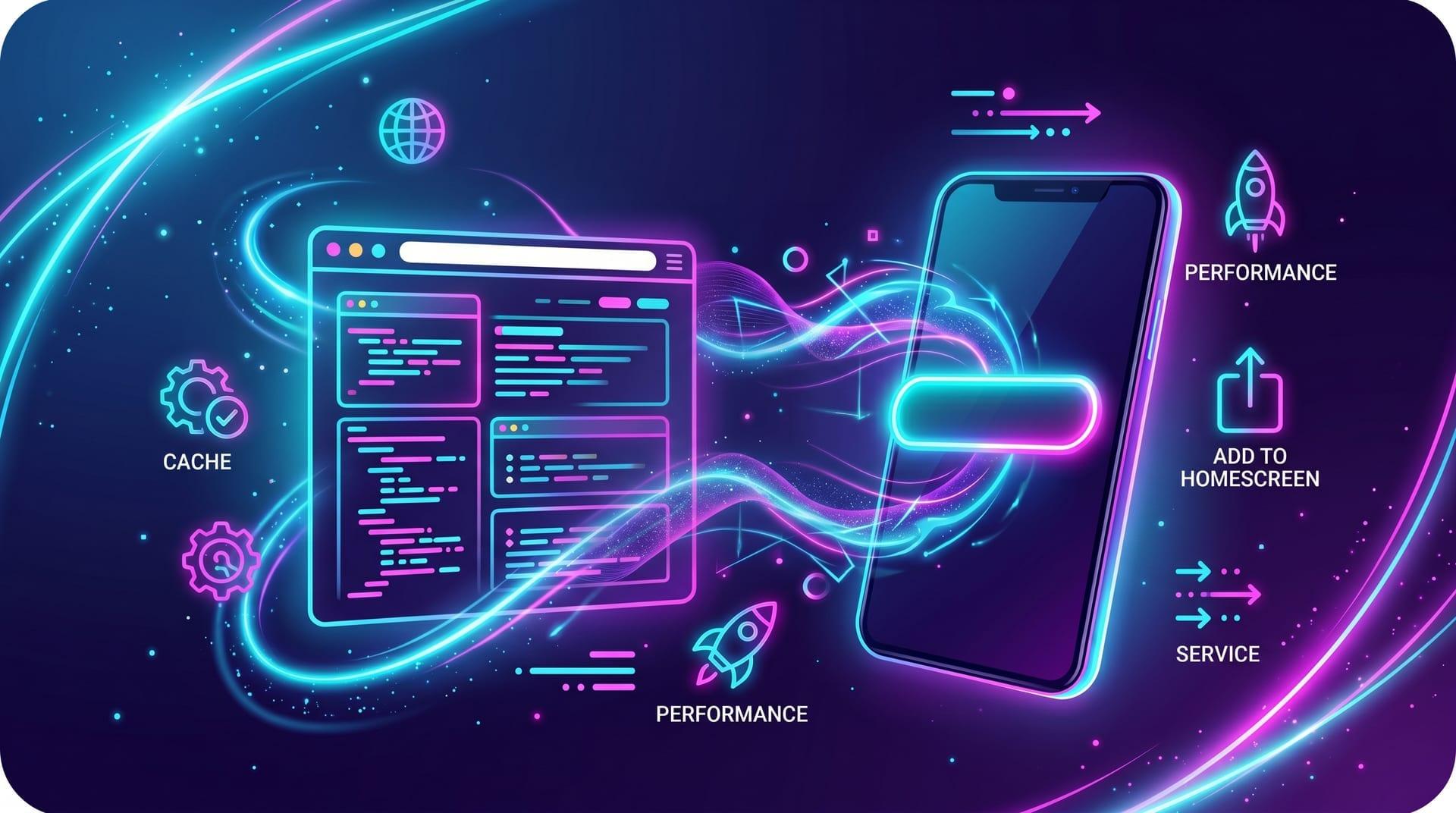
PWA - installable web app

When the app store isn't required: Progressive Web App with installable icon, offline behavior, push notifications. Faster and cheaper than native.

Backend and API

Full backend behind your app: Node.js / Bun / Hono, PostgreSQL, Redis, Cloudflare Workers or AWS. Auth, payments, push, analytics - one team.

App Store & Play Store launch

Apple Developer account setup, Play Console, app review, store listing optimisation (ASO), marketing screenshots - we walk you through release.

How We Work

Our Process

Meticulous planning, seamless execution, and creative problem-solving -- that's how we achieve remarkable results.

01

Concept

No cookie-cutter solutions here. We map out your business goals, market landscape, and competition, then build a strategy designed to deliver measurable results.

02

Design

Wireframes, prototypes, and UI/UX designs built on real user insights. Every click, every layout is engineered to maximize conversions and engagement.

03

Development

Agile development with cutting-edge technologies, weekly demos, and full transparency. You'll always know exactly where your project stands.

04

Testing

Automated and manual testing across every platform and browser. Nothing goes live until it's been tested to the breaking point and passed with flying colors.

05

Launch & Support

Launch day is just the beginning. Monitoring, performance optimization, and ongoing support ensure your solution gets better every single day.

Tech stack

Modern tools for mobile app development

Swift / SwiftUIKotlin / Jetpack ComposeReact Native + ExpoFlutter / DartTypeScriptFirebase, SupabasePostgreSQL, MongoDBAWS, Cloudflare, Hetzner
FAQ

Mobile app development - Frequently Asked Questions

How much does mobile app development cost in 2026?

A simple MVP with 1-2 main features: €7,000–€13,000. A medium-complexity app (auth, payments, 5-10 features, iOS+Android): €13,000–€32,000. An enterprise system with custom backend and integrations: €32,000+. Detailed pricing in our mobile app pricing 2026 article.

How long does it take to build a mobile app?

MVP for one platform: 2-3 months. iOS+Android cross-platform MVP: 3-4 months. Mid-complexity app with full feature set and backend: 4-6 months. Enterprise app with custom integrations: 6-12 months. We work in 2-week agile sprints with weekly demos.

Native or cross-platform - which is better?

It depends. Native (Swift / Kotlin) wins when performance is critical (3D, AR, heavy camera processing) or deep platform integration is required (HealthKit, ARKit, custom widgets). Cross-platform (React Native / Flutter) is 30–50% faster and cheaper, with 95% native feel for typical B2B and consumer apps. Read our Native vs Cross-platform and React Native vs Flutter articles for details.

Do you work with startup MVPs?

Yes - this is one of our specialities. Pre-seed and seed startups get a flexible model: fixed-price MVP package (2-3 months, one platform, key features), with optional equity or instalment terms. After the MVP we help you decide what comes next.

What does the mobile app price include?

UX/UI design (Figma prototype, user flows, design system), frontend (iOS / Android / cross-platform), backend & API if needed, App Store / Google Play launch, basic auth (email + social login), push notification setup, analytics integration (Firebase, Mixpanel), and 3 months of free bug-fix warranty.

Can you integrate with our existing systems?

Yes. CRM (HubSpot, Pipedrive, Salesforce), ERP (SAP, MS Dynamics), invoicing (Billingo, Számlázz.hu), accounting, inventory, custom REST / GraphQL / SOAP APIs - your app stays in real-time sync with your backend. Typical integration runs €250–€1,300 per system.

What is the maintenance cost after launch?

iOS and Android each ship a major OS update yearly - apps need to follow. Typical maintenance is €130–€400/month: OS compatibility, library updates, security patches, small features, monitoring. For actively-evolving apps we offer per-sprint development packages.

Who owns the source code?

You do. Full source code handed over via Git (GitHub / GitLab / Bitbucket) with documentation. App Store and Google Play developer accounts go in your name. No vendor lock-in - you can continue with another team or hire in-house at any time.
AI capabilities

How AI fits into this solution

What AI can do, how to integrate it, what to comply with - and how to keep your data on-prem.

What AI can do here

  • On-device LLM

    Small models (Llama 3.2 1B/3B, Phi-3) directly on the device - offline, low latency, no data leaves the phone.

  • Speech → text → action

    Whisper-based dictation turned into actions (new note, email, calendar entry).

  • Image-based features

    Receipt photo → automatic expense entry. Damage photo → claim type classification.

How we integrate it

  • Hybrid (device + cloud)

    Simple tasks on-device (privacy + offline), complex ones in the backend AI - transparent switch.

  • Push intelligence

    AI decides when and what to push - no notification spam.

Compliance

  • GDPR

    Personal data is processed only on a documented legal basis. Data minimisation, purpose limitation, and audit trail enforced by design.

  • EU AI Act

    Risk-based classification of every AI use case (minimal / limited / high risk). Mandatory transparency, human oversight, and CE-style conformity for high-risk systems.

  • NIS2

    In essential and important sectors AI must follow security-by-design: access control, logging, incident reporting, supply-chain risk for any model provider.

  • ISO 27001 / SOC 2

    When required: ISO 27001 / SOC 2-aligned controls, including key management, RBAC, audit, vulnerability management.

Local / on-prem deployment

  • Ollama / llama.cpp

    Open-weight models (Llama 3.x, Mistral, Qwen, Gemma) running on your own GPU server or even CPU. Zero data sent to third parties.

  • vLLM / TGI

    Production-grade inference servers for self-hosted endpoints. Concurrent users, streaming, function calling supported.

  • Sovereign cloud

    For organisations without on-prem GPU: deployment on EU / Hungarian sovereign cloud (e.g. dedicated tenant), with data residency contracts.

  • Hybrid

    Sensitive content always local; for non-sensitive batch tasks frontier models (Claude, GPT) via DPA-backed API where allowed.

Data security model

  • No training on your data

    Whether self-hosted or vendor API, we contractually exclude your data from any training set.

  • PII redaction before prompt

    Automatic PII detection and masking before any prompt leaves your perimeter - pseudonymisation as a hard rule.

  • Per-role access

    Every AI surface uses your existing IAM (Entra ID / Keycloak / Okta) - the AI only sees what the user is allowed to see.

  • Full audit

    Every prompt, response, and tool call logged with user, time, and source - replayable on demand.

How it connects

A mobile app is never standalone - the value is set by the backend, integration, and business systems behind it.

For B2B / internal apps, a custom ERP is usually the data source. Customer-facing functions sync on the CRM side.

A B2C app typically connects to a webshop on the customer side. When the backend spans multiple systems, a system integration layer is needed.

Contact

Get in Touch

Tell us about your project and we'll respond within 24 hours!

Additional details (optional)

Thank you! We'll get back to you soon.

We usually respond within 24 hours.

CEO

Boncz Balint

Office

Budapest, Hungary

Let's Talk Live!

Book a free 30-minute consultation where we discuss the details of your project.

Book a Call